How much do you weigh
on Jupiter?
Enter your weight and age. Then scroll — fly through the solar system and see your numbers on every planet.
Made on planet Earth by mhanzelka ·
Spotted a translation mistake or a bug? Let us know on Discord.
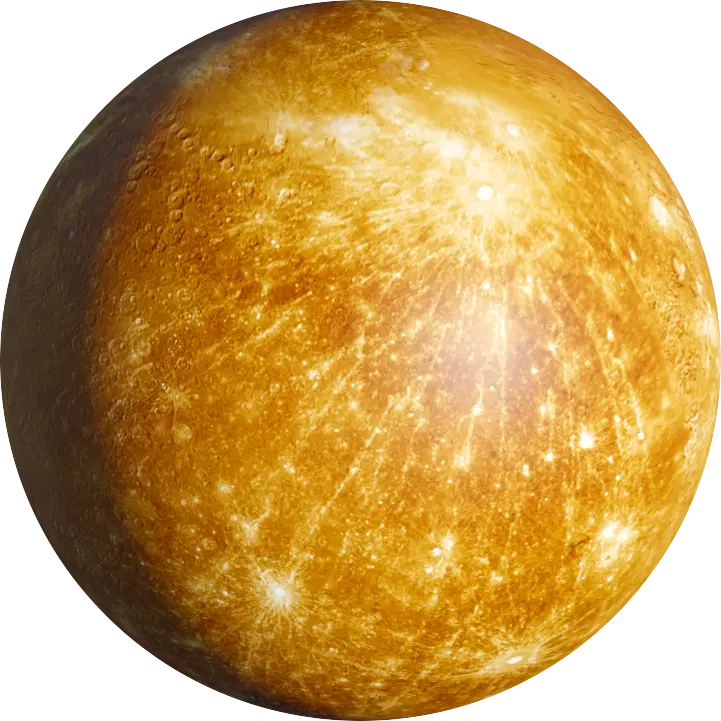
Mercury
The smallest planet and the closest to the Sun. A day here lasts longer than a year, with temperatures swinging from -170 °C at night to +430 °C during the day.
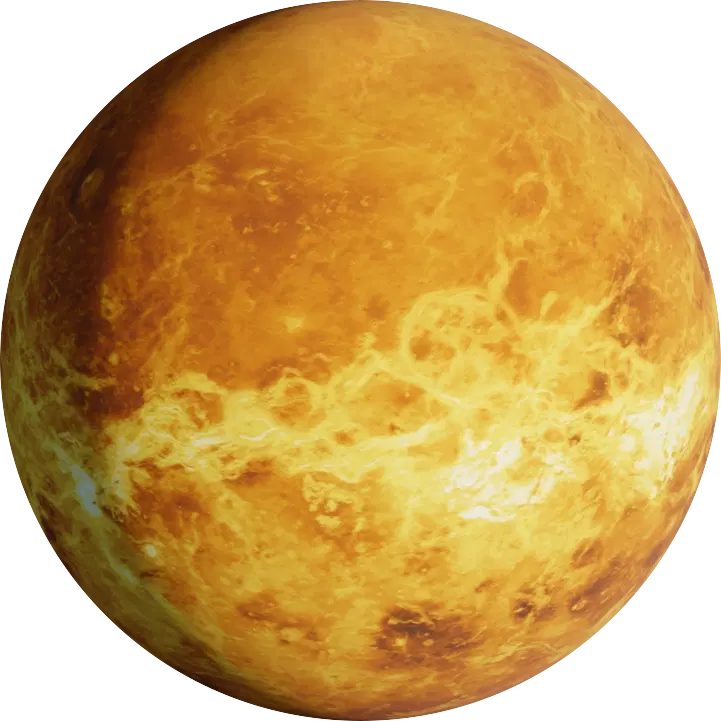
Venus
Earth's sister with a CO2 atmosphere and clouds of sulfuric acid. The greenhouse effect made it the hottest place in the solar system.
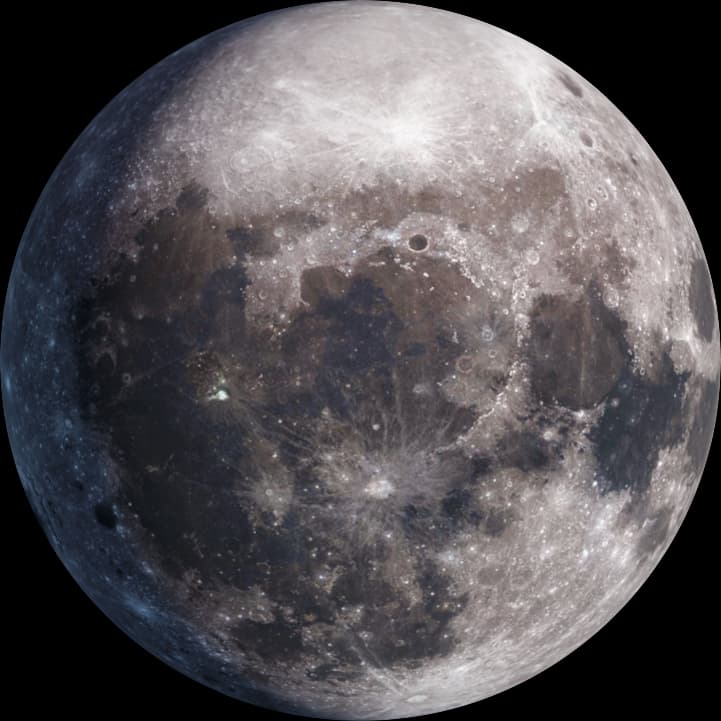
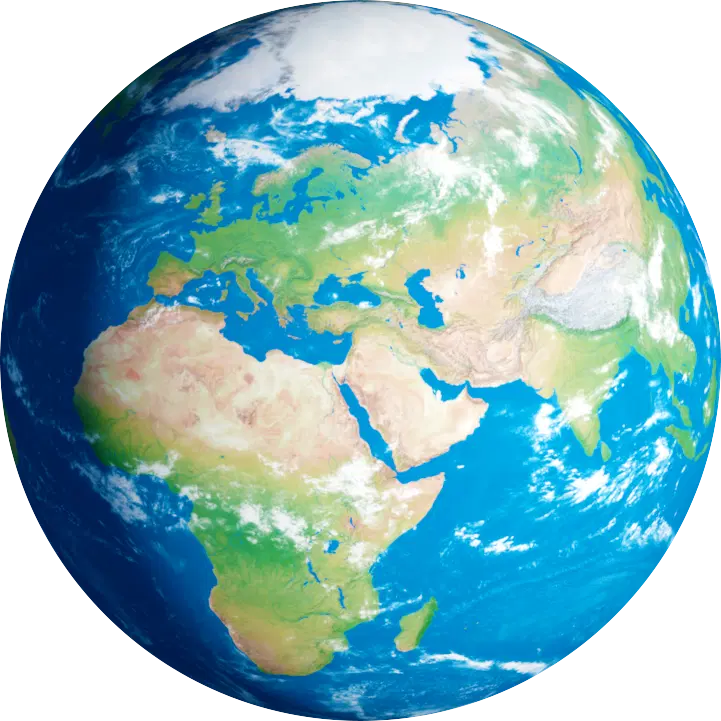
Earth
Our home. The only known world with liquid water on its surface, an oxygen atmosphere, and life in every corner.
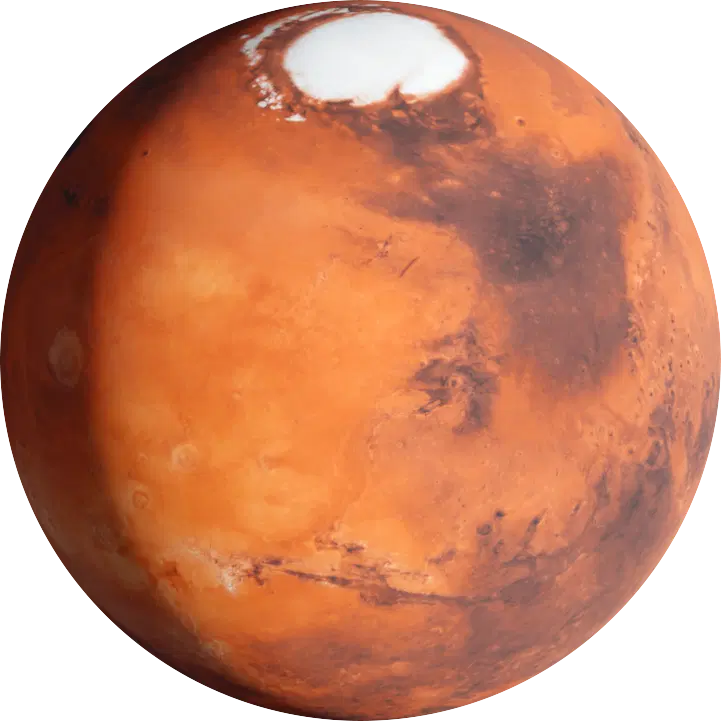
Mars
A red desert with the tallest mountain and deepest canyon in the solar system. Beneath the surface lies ice — and possibly traces of ancient life.
The only dwarf planet in the inner solar system. Holds about a third of the belt's total mass — and on its surface, water ice.
Main asteroid belt
A swarm of rocky leftovers stretching from 2.2 to 3.2 AU. Their combined mass is tiny — yet over a million objects larger than a kilometre drift here, including the dwarf planet Ceres.
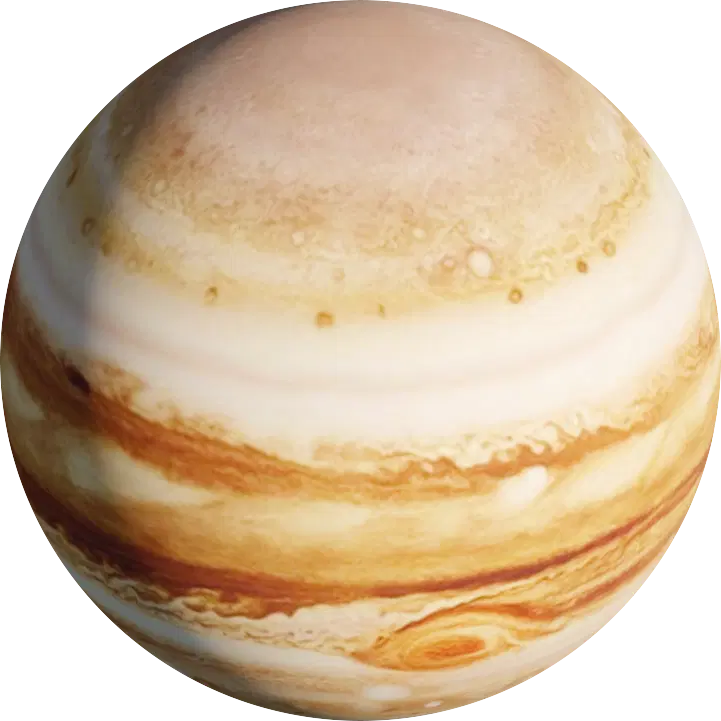
Jupiter
A gas giant that could swallow 1,300 Earths. The Great Red Spot is a storm bigger than our entire planet, raging for centuries.
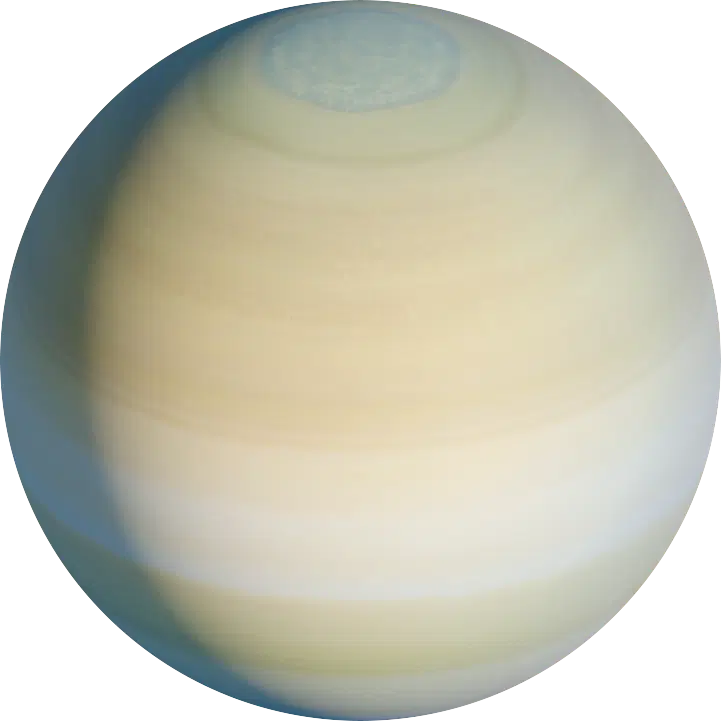
Saturn
The lord of the rings. Its halo of icy debris stretches 280,000 km but is only as thick as a building. Density lower than water.
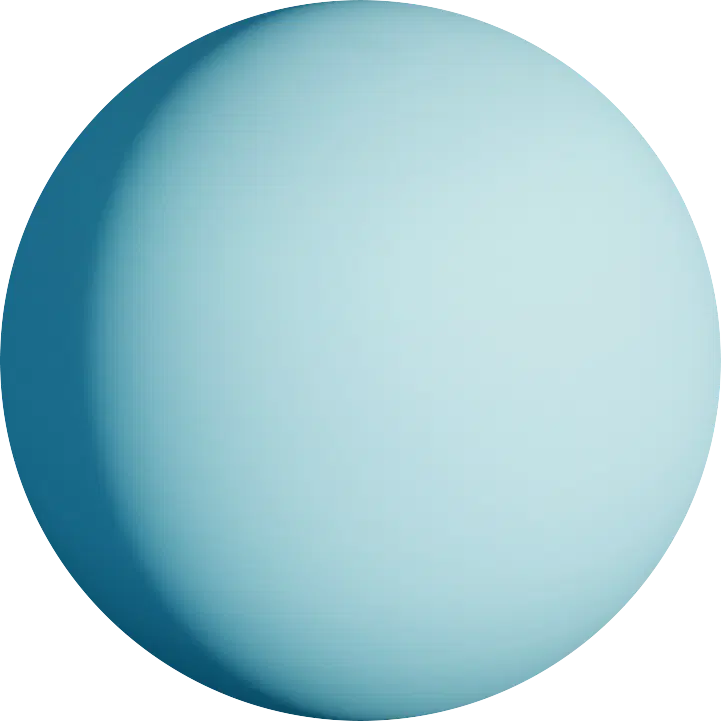
Uranus
An ice giant tipped on its side — rotating with an axis tilted nearly 90°. A methane-rich atmosphere gives it a turquoise glow.
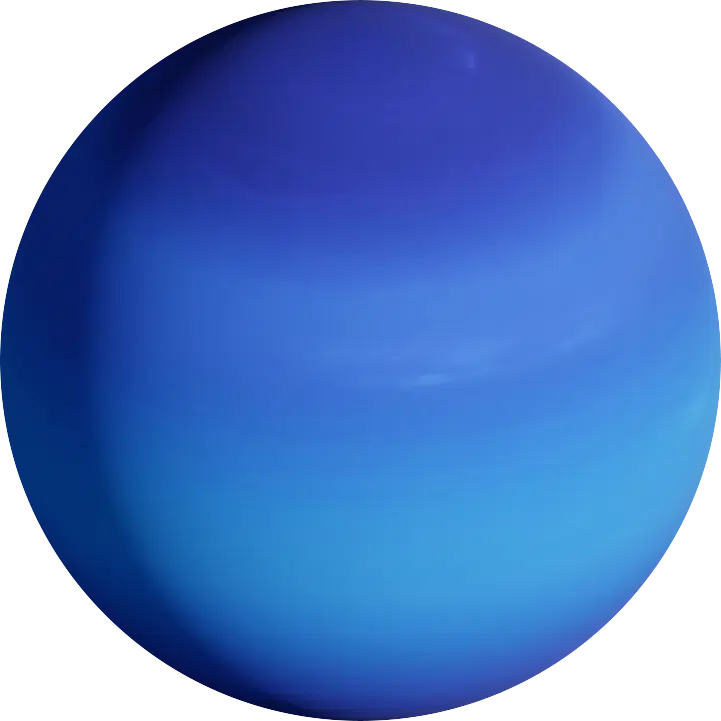
Neptune
The most distant giant. Winds here exceed 2,000 km/h — the fastest in the solar system.
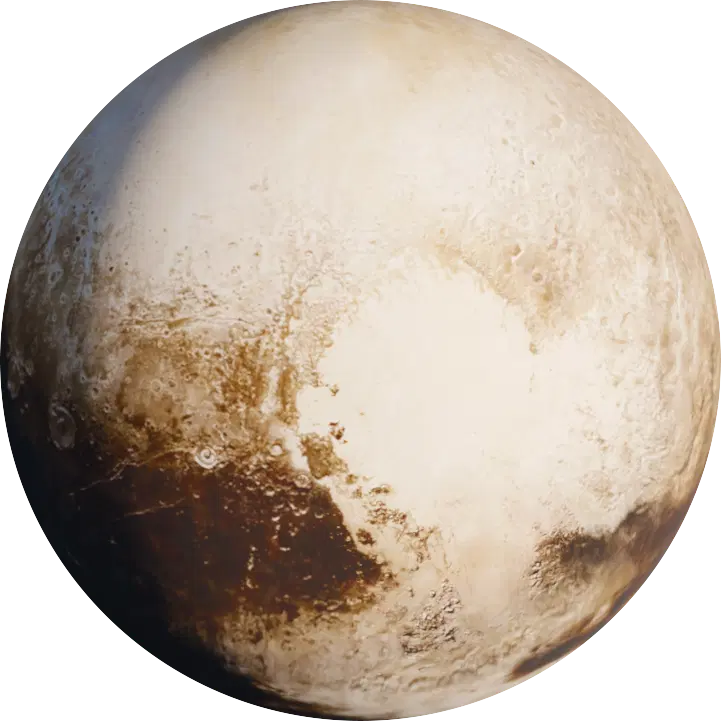
Pluto
Officially a dwarf planet since 2006. In the Kuiper belt, it orbits a common barycenter with its moon Charon.
End of the system.
Nine worlds behind you. If you enjoyed the trip, share it.
Spotted a translation mistake or a bug? Let us know on Discord.